

MEN Logo_Men Icon Light

Opinion

ClassRoom

For Parents

Leadership

"We are always looking for stakeholders, If you would like to contribute,"

John-Social-Media-Headshot

John Huber

Founder

Is Anyone Really Surprised by Baltimore County’s Substitute Teacher Shortage?

According to a recent Baltimore Sun report, Baltimore County Public Schools is facing a significant substitute teacher shortage after bringing substitute staffing back in-house and ending its contract with Kelly Education. The shortage has become severe enough that teachers, administrators, paraeducators, and other staff members are being pulled from their normal responsibilities to cover classes throughout the school system.

The district’s leadership and employee representatives are describing the situation as a crisis. One analysis found 52 schools where only about 70% of classes had either a dedicated teacher or substitute available on a given day. Meanwhile, district leaders acknowledge they are struggling to rebuild a substitute workforce after ending the outsourcing arrangement.

Is anyone genuinely surprised? For years, school systems across the country have struggled to recruit substitute teachers. This is not a new problem, and it is not unique to Baltimore County. It is not even complicated; it is a matter of simple math.

Every school system has a predictable number of teacher absences. Teachers get sick. They attend professional development. They take personal leave. They attend conferences. Family emergencies arise. Schools know these things will happen because they happen every year. At the same time, there is a limited pool of available substitutes.

In BCPS they give teachers 10 or 15 days of sick leave each year depending on seniority, and they also get 3 personal business days. They basically hand them 13 days a year to be out, and many teachers use all of them every year and are out by January. Also, some teachers are veterans and have accumulated years’ worth of sick leave and are not afraid to use it. Also, teachers can apply to the sick bank as well as use FMLA which can give them months of additional leave after they are already out of their own.

When the number of available substitutes falls below the number of vacancies, someone else has to step in. That “someone else” is another teacher.

In my experience, there are few things that destroy staff morale more quickly than forcing teachers to repeatedly cover classes for absent colleagues. Teachers already have planning responsibilities, grading responsibilities, parent communication responsibilities, and instructional responsibilities. Their planning periods are the only opportunity they have during the school day to prepare lessons, contact families, review student work, attend meetings, or simply catch their breath.

In addition to their one planning period, teachers get one “duty” period, when their duty period is repeatedly consumed by coverage assignments, frustration grows rapidly.

It grows even faster when teachers notice that the same individuals are frequently absent while others are consistently expected to pick up the slack. Whether that perception is accurate or not almost becomes irrelevant. Once staff members begin feeling that coverage duties are being distributed unfairly, morale declines. Most school administrators understand this, but unfortunately, they have few alternatives when there are not enough substitutes available.

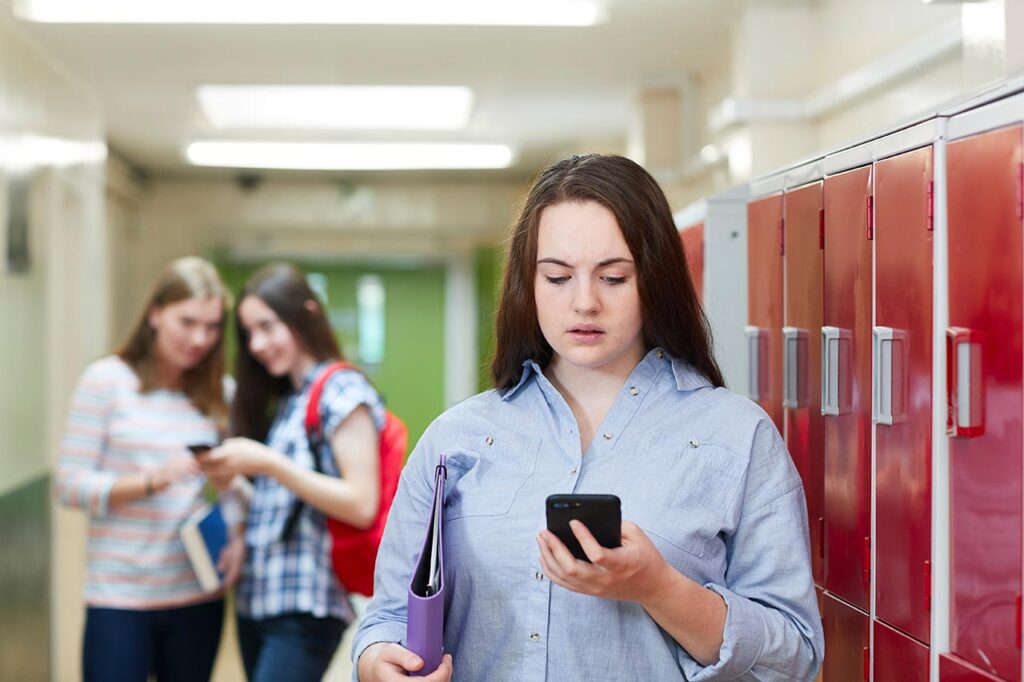
Another issue is the question of why someone would want to become a substitute teacher in the first place. Think about the message potential substitutes receive every evening when they turn on the local news. They see stories and videos of student fights, assaults, bullying incidents, threats, classroom disruptions, aggressive student behavior, staffing shortages and more. In addition, there is no shortage of stories about teachers leaving the profession.

The public conversation surrounding education has become increasingly negative. Fair or unfair, many retired professionals, college graduates, and community members who might once have considered substitute teaching now see it differently and have no plans to substitute anytime soon . A retired accountant looking for part-time work has options, as do retired engineers and former business professionals. Retired teachers do as well. Many potential substitutes can earn money through consulting, tutoring, remote work, gig-economy jobs, or part-time employment that does not require managing a classroom full of students. School systems are competing for labor in a marketplace and that fact sometimes gets lost in education policy discussions.

People willing to substitute teach are not appearing out of thin air. They are choosing between substitute teaching and numerous other opportunities.

Baltimore County’s recent staffing decisions may have made the challenge even more difficult. The district ended its contract with Kelly Education as part of cost-cutting measures. District leaders estimated that bringing substitute staffing back in-house could save between $3 million and $5 million. Those savings may ultimately prove worthwhile, but one of the functions that contractors perform is recruiting, onboarding, screening, and maintaining substitute pools. Reports indicate that approximately 18 staff members had supported those functions under the previous arrangement. Replacing that infrastructure is not something that happens overnight.

As a result, schools are experiencing exactly what one would expect when demand exceeds supply.

Teachers and administrators are covering classes. Other support personnel are covering classes too. Everyone is attempting to patch holes in a system that lacks enough substitutes to function as intended. The issue goes beyond Baltimore County. Chronic substitute shortages are discussed as recruiting problems. In reality, they are frequently symptoms of larger issues, especially working conditions, school climate, and student behavior.

If school systems want more substitutes, they have to create environments where people actually want to substitute. That may be the most uncomfortable part of the conversation. Recruitment campaigns, more onboarding support, and job fairs can help, but at some point, schools must ask themselves what would make someone want to walk into these classrooms every morning?

Until there is a convincing answer to that question, substitute shortages should not surprise anyone. They should be expected.

Dig Deeper With Our Longreads

Newsletter Sign up to get our best longform features, investigations, and thought-provoking essays, in your inbox every Sunday.

The MEN was founded by John Huber in the fall of 2020. It was founded to provide a platform for expert opinion and commentary on current issues that directly or indirectly affect education. All opinions are valued and accepted providing they are expressed in a professional manner. The Maryland Education Network consists of Blogs, Videos, and other interaction among the K-12 community.