

We Say ‘Keep Politics Out of Schools:’ But Here’s the Hidden Politics Already in Maryland Classrooms”
By: John Huber, Maryland K12
What We Really Mean When We Say “Keep Politics Out of Maryland Schools”
For years, we’ve heard the phrase: “We need to keep politics out of our schools.”
It sounds simple, even obvious. Of course, we want classrooms to be places of learning, not battlegrounds for ideological agendas.
But in Maryland, that phrase has become more complicated. What one person calls “politics,” another may call “values,” “safety,” or simply “common sense.” And that creates tension, not because parents, teachers, or policymakers have bad intentions, but because we’re working from different assumptions about what’s normal, what’s appropriate, and what’s harmful.
Before we can make sense of any of this, we need to define what “politics” actually means. Politics isn’t just about Democrats and Republicans, elections, or campaign signs. At its core, politics is the process of making decisions about how a community should function, what rules we follow, what values we prioritize, and how resources and responsibilities are shared. It addresses who makes the decisions about these things.
In schools, that means everything from curriculum choices to bathroom policies to how we handle discipline carries some kind of political judgment. Understanding this helps us see that the real question isn’t whether politics is present, but which political assumptions are being treated as normal.
The truth is this: schools already reflect values and decisions that are political, whether we acknowledge it or not. The real challenge is figuring out which values we agree should shape our schools—and which ones cross the line.
Maryland Isn’t Immune to the National Divide
Maryland schools, like the rest of the country, are facing pressure from all sides. Issues that barely existed ten years ago are now dominating school board meetings and parent email chains.
Take gender-related policies, for example. Many parents, especially conservative ones, express a very clear view:
- They don’t want biological males sharing girls’ bathrooms or locker rooms.
- They don’t want biological males competing in girls’ sports.
- They don’t want teachers keeping secrets from parents regarding their child’s identity.
For many families, this is not “politics” but rather safety, fairness, and parental rights. But state guidelines and local school districts often frame these same issues under the banner of “inclusion” or “anti-discrimination.” This mismatch in language creates automatic conflict and such families are labeled extreme, far right, and are seen as having a “MAGA aligned agenda,” which, when we consider Maryland’s overwhelmingly Democratic leaning education policies, is a bad thing.
The key point here is that when one side’s values are treated as neutral and unquestionable, the other side naturally feels their concerns are being labeled as “political” or even “bigoted.” That dynamic is fueling much of the frustration in Maryland communities.
Hidden Politics in Maryland
One example of Hidden politics in Maryland schools comes from Montgomery County’s curriculum changes involving classroom storybooks that include LGBTQ characters. In 2022, the county’s public schools added a selection of picture books featuring same-sex couples and other themes as part of an effort to represent diversity in the classroom. What the district described as a “literacy and inclusivity initiative” quickly became a source of dispute for many parents who felt it conflicted with their own religious or moral values. Initially, families were allowed to “opt out” of lessons involving those books, but in March 2023, the school board ended that practice and said parents would not be notified ahead of time when the books would be used. That decision sparked protests, petitions, and eventually a lawsuit that reached the U.S. Supreme Court, which ruled that parents with religious objections must be allowed to withdraw their children from such instruction.
This is hidden politics because the district framed the books as simple classroom materials. Many then assumed the policy was neutral, but in reality, the choice about whether to require participation without notice or opt-out rights is a political decision about whose values schools should privilege and how much parental authority should be respected in a diverse community.
Another example of hidden politics in Maryland schools involves the 2025 changes to state curriculum standards and enforcement law that followed disputes over what should be taught in classrooms. In response to Carroll County’s decision to remove certain content from its health education curriculum and the broader debate over instruction about gender identity and sexual orientation, the Maryland legislature passed a new law requiring all districts to comply with statewide curriculum standards or face intervention and potential loss of funding. Originally, the bill included a provision allowing parents to opt their children out of family life and human sexuality lessons, but that language was removed, meaning districts must now follow the standards without a clear opt-out for some subjects. Supporters framed this as ensuring consistency across Maryland’s 24 districts, but critics point out that deciding what is required versus what parents can reasonably decline is itself a political choice about values and parental authority, not a neutral educational decision.
This is hidden politics: on its face, enforcing curriculum standards looks like routine governance by MSDE. But underneath, it reflects choices about which content is considered essential and who gets to decide that. When those decisions touch on topics like gender identity and when opt-out protections are changed, the policy supports a particular set of values into every classroom and limits parental control, even though it’s presented as a technical curriculum update. That makes it a political choice, not a neutral one.
Whatever side parents and families align with in these examples, it is in fact politics. So those who are on one side or the other saying “we need to keep politics out,” are in fact saying, “we need to keep YOUR politics out, because my views are common sense and yours are political.
Here are real-world situations Maryland families have faced:
- The Bathroom & Locker Room Debate
Several Maryland counties have adopted policies allowing students to use facilities that “align with their gender identity.” For many parents, this feels less like a political debate and more like a basic issue of student privacy and safety.
Parents often ask:
- “Why should my daughter feel uncomfortable so another student can feel affirmed?”
- “Why can’t schools create single-use or private options for everyone?”
These questions aren’t extreme, they’re practical. They reflect legitimate concerns that deserve real answers, not dismissive labels.
- Girls’ Sports and Fair Competition
Maryland schools encourage female athletic participation, yet districts struggle with decisions about allowing biological males to compete on girls’ teams.
Many parents see this as common sense and believe girls deserve fair competition and equal opportunities. They further note that that’s why Title IX existed in the first place.
Maryland high schools have already faced tensions over fairness, especially in track, basketball, and wrestling. Critics worry that female athletes are being placed at a disadvantage due to policies that prioritize identity over biology. The scientific fact is females are at a disadvantage. Whether someone agrees or disagrees, it’s undeniable that this is not “politics” in the abstract, it’s something directly impacting real students.
- Parental Notification Policies
Some Maryland school districts have stated that staff should not automatically inform parents if a student requests a new name, pronouns, or gender identity at school.
Parents ask reasonable questions:
- “Why am I being excluded from decisions about my own child?”
- “How can schools claim to support families while withholding information?”
Again, these concerns come from a place of responsibility, not politics.
Many parents who are more left leaning (or progressive) feel that individuals who “identify”
as a different gender should be given the opportunity to participate fully in all activities and use appropriate facilities as their new gender would normally allow; however, often, those views change drastically when their own daughter comes home and says she just saw a naked male walking around the locker room.
There have been many cases where similar incidents have occurred, and the female who lodged such a complaint was offered counseling. That infuriates many because their child has shown no indication of needing counseling. It is further frustrating that such a small number of students’ well-being is prioritized over the rest of the student population. Then the parents who object are labeled as extreme or phobic and the school feels an obligation to protect the small group of students. It is never ending cycle.
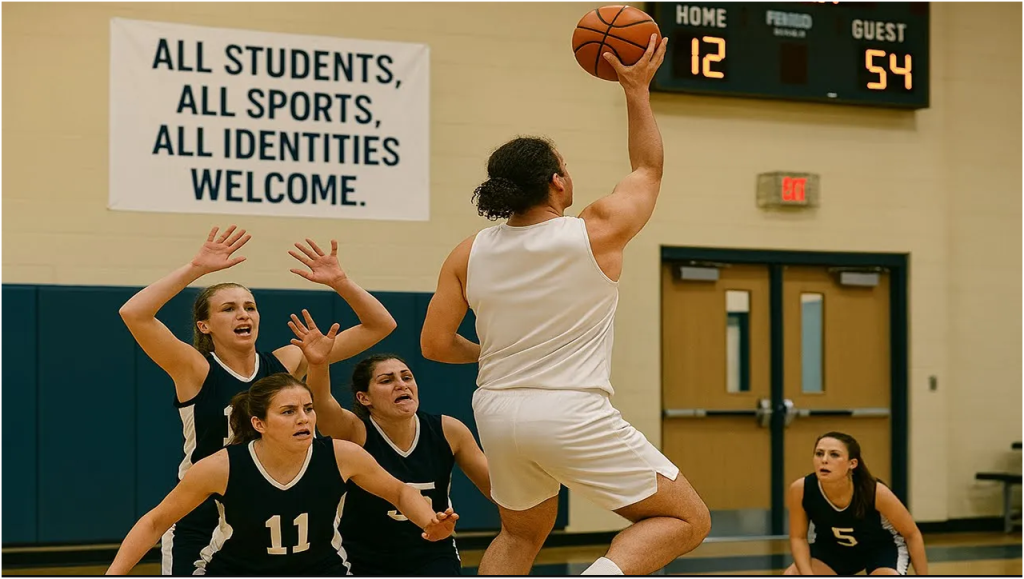
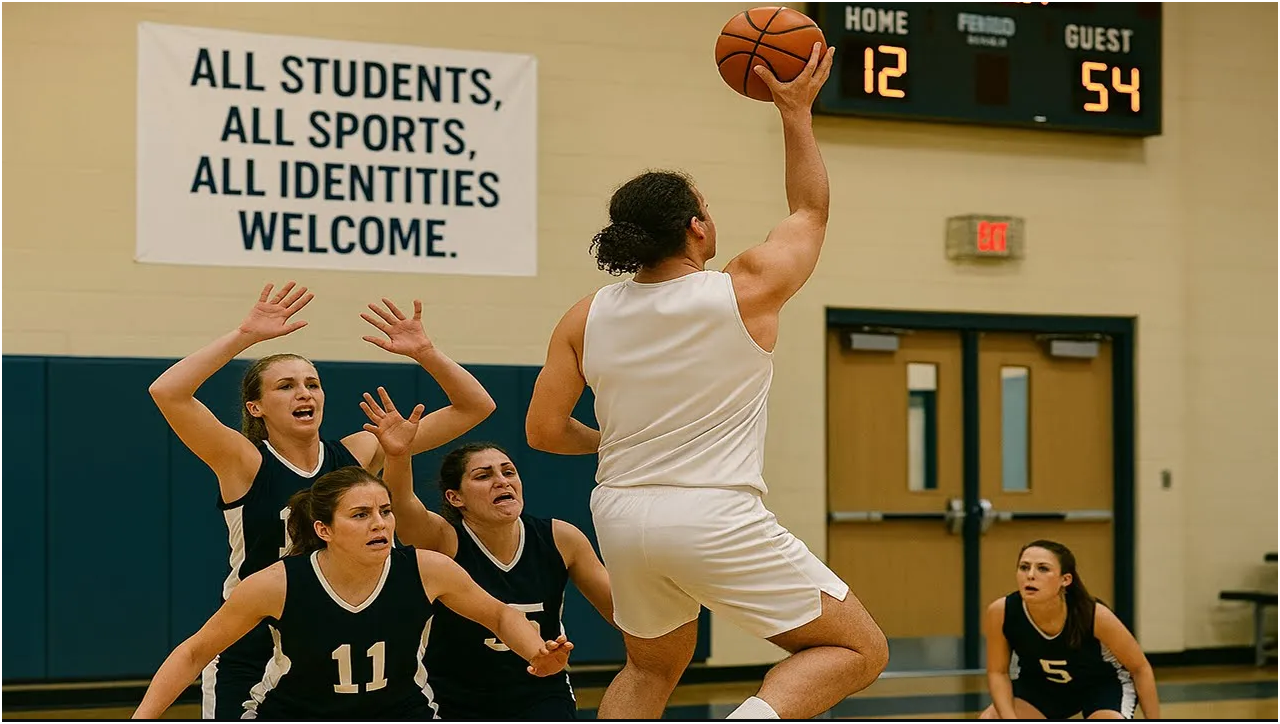
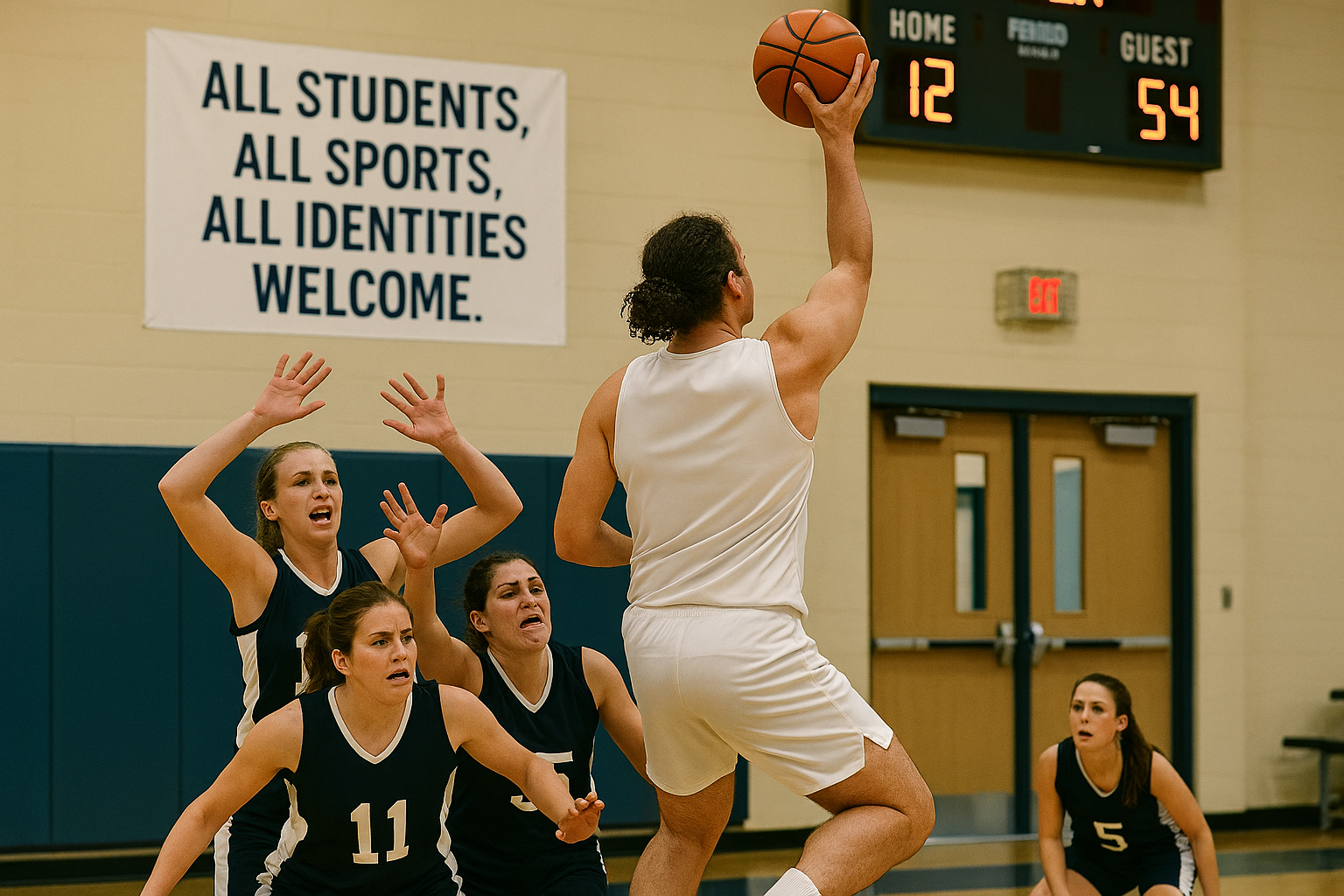
Even the most progressive parents often change their thoughts when they go watch their daughter’s basketball game and see a male on the court dominating over everyone.
Why Attempts at “Neutrality” Fail
When school systems say they want “neutral classrooms,” they usually mean they want to avoid overt partisan messaging; and that’s good. Nobody wants teachers campaigning for any party or ideology.
But neutrality becomes impossible when:
- Policies reflect one worldview while ignoring another
- Schools treat contested issues as settled truth
- Decisions are made without community input
- Concerns are dismissed instead of discussed
- Schools prioritize the needs, opinions and ideologies of some over others
In practice, “neutrality” often means the dominant ideology gets to set the rules while calling itself non-political.
What Maryland Families Actually Want
Despite the noise, most Maryland parents, regardless of politics, want the same basic things:
- Safe schools
- Strong academics
- Respect for parental authority
- Transparency about policies and curriculum
- Age-appropriate content and boundaries
- A learning environment free from activism
These are not partisan demands. They’re foundational expectations.
A Better Path Forward: Practicality, Not Extremes
To reduce conflict and rebuild trust, Maryland schools could take a few simple steps:
- Clear, Transparent Policy Explanations; Explain policies openly, without jargon or political framing.
- Parental Rights as the Default; Parents should be informed about changes affecting their children, period.
- Safety and Privacy for All Students; This can include single-stall or private restrooms or practical accommodations that don’t compromise fairness and unduly impose or traumatize the overwhelming majority of students who are not affected.
- Keep Activism Out of Classrooms; Teachers should teach students how to think, not what to think.
- Community Input Before Policy Changes; Maryland districts should engage parents early, not after decisions are finalized.
Honest Conversations Lead to Better Schools
Maryland doesn’t need more slogans or political finger-pointing. We need honesty about the fact that schools will always reflect values. The question is whose values, and whether decisions are made transparently, respectfully, and with families; not against them. The goal isn’t to remove all politics from schools. That’s impossible. The goal is to ensure that the politics shaping education reflect common sense, community values, and the best interests of students.
Parents, teachers, and policymakers don’t have to agree on everything. But we can agree on this:
Schools function best when families are informed, students are protected, and education stays focused on learning, not ideology.
Dig Deeper With Our Longreads
Newsletter Sign up to get our best longform features, investigations, and thought-provoking essays, in your inbox every Sunday.
The MEN was founded by John Huber in the fall of 2020. It was founded to provide a platform for expert opinion and commentary on current issues that directly or indirectly affect education. All opinions are valued and accepted providing they are expressed in a professional manner. The Maryland Education Network consists of Blogs, Videos, and other interaction among the K-12 community.