Shooting at Montgomery County HS Renews Debate Over School Safety Measures
By: John Huber MarylandK12.com
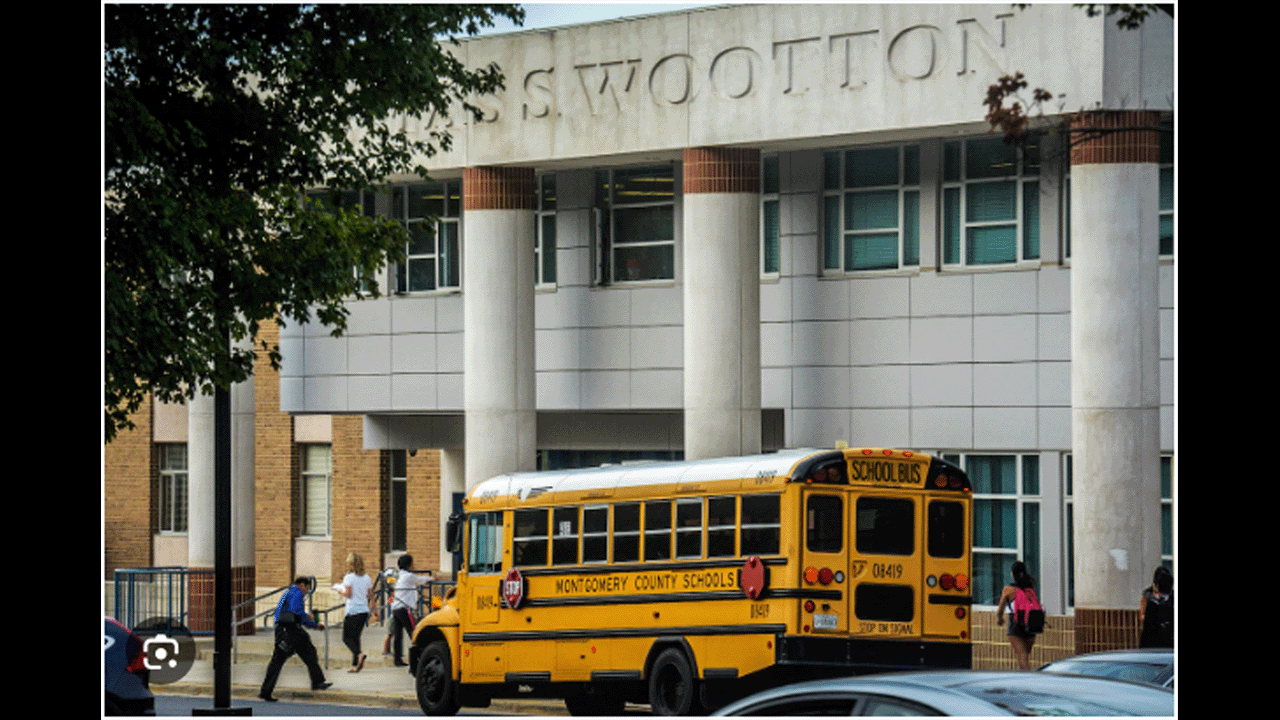
A shooting at Thomas S. Wootton High School in Montgomery County, Maryland has once again forced school leaders, parents, and policymakers to confront an increasingly grim reality: incidents of gun violence in schools are no longer rare, shocking anomalies. They are part of a disturbing pattern.
The incident occurred during the afternoon of February 9, when police were dispatched to Thomas S. Wootton High School in Montgomery County after reports of shots fired inside the building. Authorities determined that one student had been shot in a school hallway during the instructional day. The victim was transported to a local hospital with injuries that were described as non-life threatening. The school was immediately placed on lockdown as Montgomery County and Rockville City police secured the building and searched for a suspect. A second student was taken into custody shortly after the shooting, and investigators later recovered a handgun believed to have been used in the incident. Students were held in classrooms for several hours before being released and reunified with their families at an off-site location, while officials confirmed there was no ongoing threat to the school community. While the immediate crisis was contained, the broader questions that follow such incidents remain unresolved, and increasingly familiar.
Calls for Action After the Incident
In the aftermath, local officials reiterated calls to keep guns out of schools and to address gun violence more broadly. Montgomery County leaders emphasized the need for stronger prevention strategies, while Montgomery County Public Schools indicated it would provide mental health support and review safety procedures.
Parents and community members also raised concerns about school security protocols, emergency communication, and staffing, particularly around the presence and deployment of safety personnel during the school day. These discussions echo similar debates that have followed school shootings across Maryland and the nation.
Thomas S. Wootton High School is assigned a Community Engagement Officer (CEO) under Montgomery County Public Schools’ current school policing model. These officers are sworn, uniformed law-enforcement personnel and are armed, carrying the same authority and equipment as traditional police officers. However, unlike the former School Resource Officer (SRO) model, CEOs are not permanently stationed inside school buildings throughout the day and may be responsible for multiple schools or off-campus assignments. In the Wootton High incident, the assigned Community Engagement Officer was reportedly off campus responding to another call when the shooting occurred. This has renewed debate over whether the current deployment model provides sufficient on-site deterrence and rapid response, or whether schools require a more consistent, visible security presence, particularly as weapons are increasingly brought into schools during regular instructional hours.
The Limits of Hoping for “Normal”
What stands out is not only the tragedy itself, but how quickly it fits into a familiar script: lockdowns, reunification plans, statements of reassurance, and promises of review. This sense of repetition displays the hard truth that traditional approaches to school safety are struggling to keep pace with the environment schools now face.
As a result, conversations around AI-based weapons detection systems, metal detectors, and other screening technologies are no longer theoretical or fringe. For many districts, they are increasingly viewed as the most logical next step to prevent weapons from entering school buildings in the first place.
Technology can identify threats faster than the human eye, operate consistently throughout the day, and serve as a visible deterrent. In a time when weapons are being brought into schools during regular class hours, relying solely on behavioral warning signs or after-the-fact responses is proving insufficient.
Technology Is Necessary—but Not Sufficient
At the same time, the Wootton High incident reinforces that technology alone cannot solve the problem. Human judgment, relationships, and intervention remain critical. Staff presence, student trust, mental health supports, threat assessment teams, and clear communication protocols all play a vital role in preventing violence and responding effectively when incidents occur.
AI detection systems and metal detectors can stop a weapon at the door—but they cannot replace adults who notice changes in behavior, students who feel safe reporting concerns, or administrators empowered to act before a situation escalates.
Moving Forward
The shooting at Wootton High is not an isolated event and treating it as one would be a mistake. As calls for action continue, school systems face a narrowing set of realistic options. The path forward likely requires a layered approach: modern detection technology combined with sustained investment in people, training, and student support.
What is no longer acceptable is pretending that school days marked by lockdowns and police responses are an unavoidable part of education. The question is not whether schools should adapt, but how quickly they are willing to do so.
Dig Deeper With Our Longreads
Newsletter Sign up to get our best longform features, investigations, and thought-provoking essays, in your inbox every Sunday.
The MEN was founded by John Huber in the fall of 2020. It was founded to provide a platform for expert opinion and commentary on current issues that directly or indirectly affect education. All opinions are valued and accepted providing they are expressed in a professional manner. The Maryland Education Network consists of Blogs, Videos, and other interaction among the K-12 community.