Teachers Say Student Behavior Is a Problem. No Kidding.
What Maryland’s Schools Pretended Not to Notice:
By: John Huber MarylandK12.com
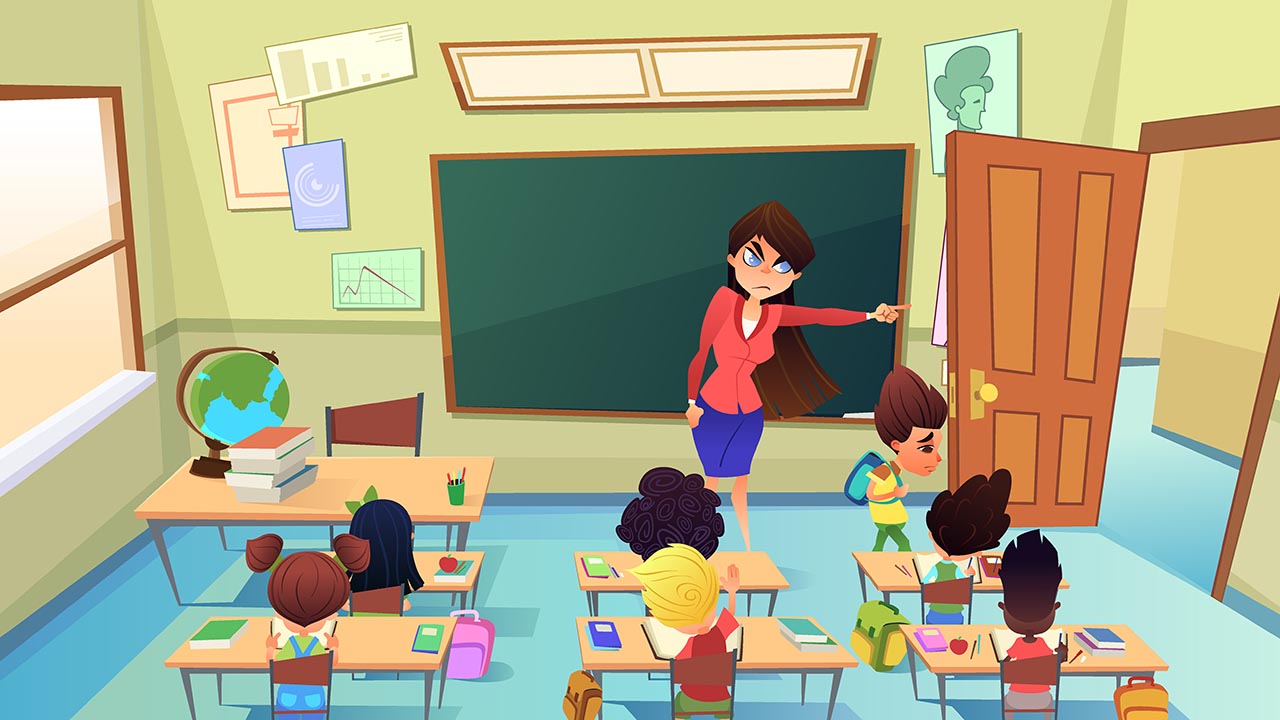
Maryland teachers are now joining colleagues in all 50 states in acknowledging that student behavior is a “significant problem” in classrooms. This finding, recently highlighted by Education Week, is being treated as a troubling new development. For anyone paying attention to Maryland’s public schools over the past decade, the reaction is simpler: of course it is.
According to national, state-by-state data compiled by Education Week, large majorities of teachers report that disruptive, defiant, and sometimes aggressive student behavior interferes with instruction, erodes classroom safety, and accelerates burnout. In many states, concerns about behavior now rival—or exceed—pay as a reason teachers consider leaving the profession. Maryland is not an outlier. It is firmly embedded in the trend.
This did not happen suddenly, and it did not happen accidentally. It happened because Maryland made a series of deliberate policy choices—and then acted surprised by the results.
A Predictable Outcome in Maryland
For years, Maryland districts were encouraged to move away from “punitive” discipline and toward alternatives framed as more equitable and humane. The language varied—restorative practices, trauma-informed approaches, relationship-centered discipline, but the direction was consistent: fewer suspensions, fewer referrals, fewer formal consequences.
What was rarely discussed with the same enthusiasm was what would replace those systems in practice.
In district after district, traditional disciplinary procedures were weakened or removed without building new ones. Clear expectations and consequences became “harmful.” Enforcement became “criminalizing.” Administrators were incentivized, sometimes explicitly, to reduce discipline data, not necessarily to reduce misbehavior.
The result was not a calmer, more supportive school climate. It was ambiguity.
Restorative Practices: Maryland’s Implementation Problem
Maryland has gone heavily into restorative practices, often presenting them as a near-universal solution to discipline challenges. Laws passed under the O’Malley administration required it. In theory, restorative approaches emphasize repairing harm, and rebuilding relationships. In reality, many Maryland schools implemented a version stripped of its most demanding components.
Even researchers sympathetic to restorative justice acknowledge that outcomes depend almost entirely on implementation quality, staffing, time, and training,conditions many Maryland schools do not meet consistently. Studies routinely describe the evidence as mixed, with modest reductions in suspensions in some settings but inconsistent effects on classroom behavior and academic outcomes, especially at the middle school level.
What Maryland often delivered instead was a system wrapped in inspirational language. Teachers were asked to manage serious behavioral disruptions through conversations, circles, and documentation, often without meaningful administrative backing. When those efforts failed, the fallback was frequently informal exclusion, hallway removals, office stays, shortened school days, actions that remove students from learning without accountability or transparency.
Behavior did not disappear. It just stopped showing up cleanly in reports.
The Cost to Teachers, and to Everyone Else
Teachers across Maryland report spending increasing amounts of instructional time managing behavior rather than teaching. National surveys suggest hours of learning time lost each month to disruptions, with middle school teachers losing even more. These are not abstract numbers. They translate directly into weaker instruction, slower pacing, and diminished expectations.
More importantly, Maryland teachers increasingly report feeling unsupported when addressing behavior. Administrators hesitate. Central offices worry about optics. Policies emphasize “grace” without defining limits. Parents are often disengaged or defensive.
Students notice. They always do.
When boundaries are unclear or inconsistently enforced, students test them. When testing is met with negotiation instead of consequence, escalation follows. This is not a moral judgment on students; it is a basic observation about human behavior in systems with weak authority.
Calling It a Crisis Isn’t Leadership
Now that the data has caught up with experience, the situation is being labeled a “crisis.” But calling it a crisis without acknowledging how it was created is not leadership.
Maryland did not drift into this moment accidentally. It arrived here through years of policy decisions that prioritized ideology and data over reality. Teachers warned about this trajectory long before surveys confirmed it. They were told to build relationships, try harder, and reflect.
Now the system is finally listening after many teachers have already left.
No Kidding. Now Fix It.
Maryland teachers are not asking for a return to zero-tolerance policies. They are asking for something far more basic: clear rules, consistent enforcement, meaningful consequences, and visible administrative support.
Restorative practices, where used, must be real, properly staffed, properly trained, and paired with firm expectations. Behavior must be documented honestly, not managed off the books. And adults must take responsibility for maintaining order instead of delegating it to slogans.
The data now confirms what Maryland classrooms have been showing for years: student behavior is a serious problem.
The remaining question is whether Maryland’s education leadership is prepared to admit that there is a problem.
Dig Deeper With Our Longreads
Newsletter Sign up to get our best longform features, investigations, and thought-provoking essays, in your inbox every Sunday.
The MEN was founded by John Huber in the fall of 2020. It was founded to provide a platform for expert opinion and commentary on current issues that directly or indirectly affect education. All opinions are valued and accepted providing they are expressed in a professional manner. The Maryland Education Network consists of Blogs, Videos, and other interaction among the K-12 community.