
MEN Logo_Men Icon Light

Opinion

ClassRoom

For Parents

Leadership

"We are always looking for stakeholders, If you would like to contribute,"

John-Social-Media-Headshot

John Huber

Founder

Understanding the Rise in School Threats, Safety Alerts, and Closures

By: John Huber MarylandK12.com

Across the United States, school leaders, educators, and families are confronting a difficult reality: an increase in threats. These threats can range from hoaxes and social-media driven reports to credible security concerns and they are disrupting education in ways not seen in generations. Whether it’s a lockdown, an evacuation, a switch to virtual learning, or a full closure for investigation, these disruptions (most are not credible) take a serious toll on students, staff, and communities.

As someone with more than 30 years in education and 15 years as an administrator, I know firsthand how heavy the responsibility is for leaders who must make quick, high-stakes decisions in the interest of student safety.

A world of Increasing Alerts

While comprehensive national data on every school threat that leads to operational disruption are hard to pin down, several trends are clear:

  • Schools are significantly expanding their safety planning and threat response teams.  About 85 % of public schools now have a behavioral threat assessment team to identify students who might pose risks, up from 82 % just a few years ago. My professional opinion is that the other 15% better get it in gear!

  • Violence-related incidents continue to be a concern. Surveys show thousands of violent incidents recorded annually in U.S. public schools.

  • Reports from law enforcement highlight a sharp uptick in threats, particularly those that are clearly hoaxes or swatting attempts where false reports prompt emergency responses. One national nonprofit found that in the 2022-23 school year, nearly two-thirds (about 64 %) of all violent incidents reported were false active-shooter reports, a 546 % increase over 2018-19.

In individual communities, the increase can be striking: for example, one large urban school district reported that school threats more than tripled in one school year, jumping from 57 to 186 threats from 2023-24 to 2024-25.

These trends show that while not all threats are credible, the frequency of reported threats is rising , enough that districts have to treat each one seriously.


Why Schools Cancel, Close, or Go Virtual

At the heart of this issue is a dilemma that educators know well: how do you protect students from potential violence while minimizing disruption to learning?

Here are the main reasons schools take drastic actions like closures or virtual shifts:

1. Safety Comes First: Even When Threats Aren’t Verified

Most threats, especially those circulating on social media, turn out to be hoaxes or exaggerated claims. But schools and law enforcement cannot assume a message is false until it is investigated. That means precautionary closures, lockdowns, and shifts to remote learning happen even when a threat lacks credibility — because the risk, however uncertain, could be catastrophic.

For example, phone or online bomb threats may later prove unfounded, but the initial response often means emptying classrooms and pausing learning while authorities check the scene.

2. Legal and Ethical Responsibilities

District leaders and administrators have a legal obligation to investigate and respond to all credible threats. Failure to act immediately could expose a school to liability if a real incident occurred. That pressure leads leaders to err on the side of caution. Cases in Oxford, MI and Newport News, VA are examples of what can happen if they are not taken seriously and acted upon immediately.

3. Social Media and Rapid Spread

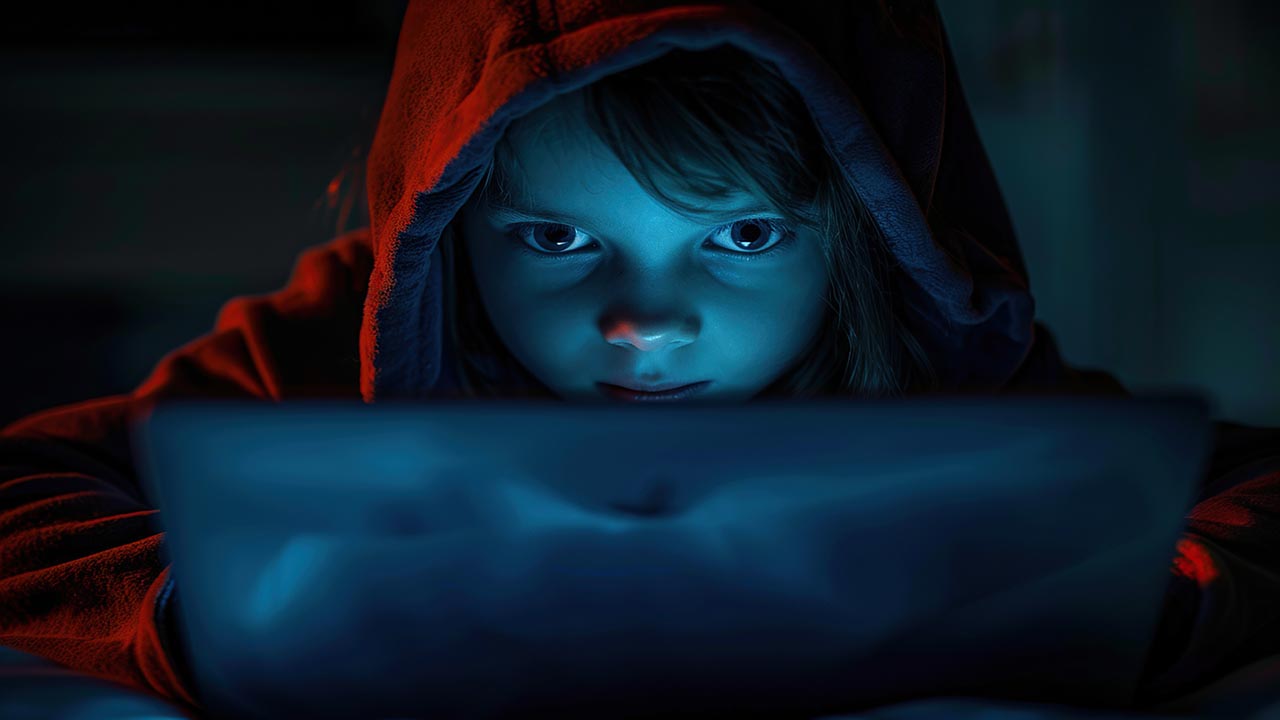
Today’s students live much of their social lives online. Platforms like TikTok, Snapchat, and others can amplify rumors or even coordinate hoax threats across multiple schools in a short period of time. Stories from administrators and parents across the country show how these threats quickly spread , even when unfounded.

Even when students say such messages were a prank or “just a trend,” the consequences are real for day-to-day school operations.


The Hidden Costs of Disruption

When a school cancels classes or moves to virtual learning for safety reasons, the community feels the effects beyond a single lost day.

Educational Impact: Interruptions , even short ones,  can erode instructional time, disrupt lesson plans, and knock students off academic momentum. During extended closures (like during the pandemic), research has shown real learning losses, particularly among vulnerable learners.

Emotional and Psychological Impact: Threats, even false ones, create anxiety among students, families, and staff. The fear that a rumored incident could be real,  or the trauma of lockdown drills and police presence , can linger long after the immediate event.

Community Trust and Confidence: Repeated disruptions can erode trust in school safety systems and put pressure on administrators from parents and local officials. Some communities call for increased security or disciplinary measures, while others worry about overreaction or unnecessary fear.


Balancing Safety and Normalcy

Administrators often feel caught between two seemingly conflicting needs:

  • Take every threat seriously, because even a small chance of real harm must be investigated and addressed.

  • Avoid creating a climate of fear,  where students see threats as a way to manipulate schedules or draw attention.

Experts argue that clear communication is key. National guidance suggests minimizing disruption when a threat is determined to be a hoax, while still keeping students safe. Limiting unnecessary evacuations, partnering closely with law enforcement, and training threat assessment teams can help shorten response times and keep schools operating as normally as possible.


From the Frontlines: A Call to Conversation

In my 15 years as an administrator, I’ve seen the full gamut of school safety incidents , from credible threats and incidents that required rapid response and community communication to students who underestimated the seriousness of their online messages. What’s clear is that the culture around school threats has shifted, especially with digital connectivity and social pressure.

School leaders need support from parents, policymakers, and mental health professionals alike  to build environments where safety is real and learning is uninterrupted. That means tough conversations about behavior, clear policies enforced fairly, and thoughtful strategies that recognize both the reality of threats and the importance of keeping schools open.

These issues aren’t going away. But by understanding the data and the lived experiences of educators, we can have a more constructive conversation about safety, responsibility, and the conditions that allow students to thrive.

Unfortunately, the class clowns of the past have evolved into attention-driven disruptors in a system that must respond to every word. They have us right where they want us, and they know it. Every threat guarantees an audience, and they love every minute of it.

Dig Deeper With Our Longreads

Newsletter Sign up to get our best longform features, investigations, and thought-provoking essays, in your inbox every Sunday.

The MEN was founded by John Huber in the fall of 2020. It was founded to provide a platform for expert opinion and commentary on current issues that directly or indirectly affect education. All opinions are valued and accepted providing they are expressed in a professional manner. The Maryland Education Network consists of Blogs, Videos, and other interaction among the K-12 community.